Elevate Your Collection: Creative Ways to Display Your 1:18 Model Cars
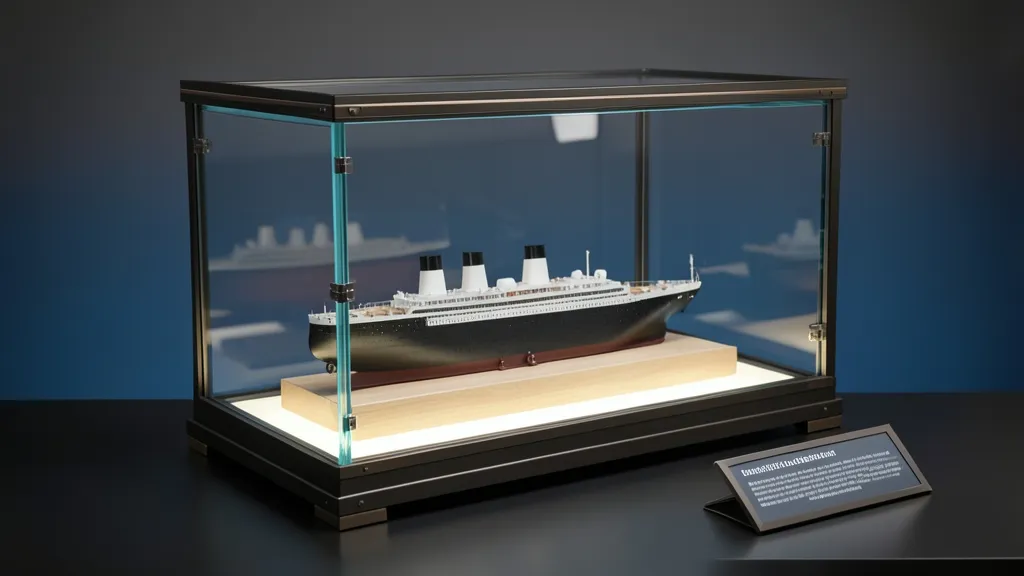
There is a quiet moment familiar to every serious collector: the model is finally in your hands, flawless in paint and proportion, and you set it on a shelf — where it promptly disappears into the clutter of ordinary life. A 1:18 scale car is not a toy; it is a miniature sculpture with working suspension, etched brake discs, and interior stitching you need a torch to appreciate. Yet without deliberate presentation, those details vanish. Display is not housekeeping for your hobby. It is the final, creative act of collecting.
The market reflects this. Globally, the die-cast and scale model sector is estimated in the billions of US dollars, and in Hong Kong alone, hobby retailers and online resellers report that display accessories — cases, risers, lighting kits — now account for a meaningful and growing share of collector spending, often outpacing the models themselves in repeat purchases. Collectors are learning what museums have known for a century: context creates value. This guide walks through the practical and aesthetic decisions that transform a shelf of cars into an exhibition.
The Importance of Presentation: Enhancing Visual Appeal and Creating Impact
Presentation does two jobs at once. The first is perceptual. A model viewed through dusty acrylic at eye-level in flat room light reads as a silhouette. The same model, lit from above at a slight angle against a dark ground, reveals panel gaps, metallic flake, and the sheen of tyre rubber. The human eye is drawn to contrast, and a display case is essentially a contrast machine — controlling what is bright, what is dark, and what is reflected.
The second job is psychological. A protected, intentional display signals care. Visitors who might glance past a row of loose cars will stop at a single spotlit example and ask questions. That shift — from clutter to curation — is what turns a collection into a conversation. It also protects your investment: dust is abrasive, UV degrades decals and paint, and an errant elbow is the oldest enemy of the hobby. A proper enclosure solves all three at once.
Experienced collectors often describe the case as the frame of a painting. A masterpiece in a cheap frame loses authority; a modest model in a beautifully lit case gains it. This is why thoughtful pieces such as a well-built 1:18 Car display case are worth budgeting for early rather than late — they shape how every future purchase is seen and enjoyed.
Choosing the Right Case Style for Your Aesthetic
Case style should follow the room, not fight it. Three broad directions cover most collections.
Modern Minimalist
Think clear acrylic or low-iron glass with almost invisible edges, floating shelves, and a restrained palette of black, white, and grey. Minimalist cases work best when the model itself is the only strong colour in view. Avoid ornate bases; choose cases with hidden fixings and cable-free lighting, ideally rechargeable LED pucks. This style suits contemporary Hong Kong apartments where floor space is precious and visual noise is the enemy — wall-mounted acrylic boxes at eye level can display a dozen cars in the footprint of a single bookshelf.
Classic Elegant
Walnut or oak bases, bevelled glass, brass or brushed-steel trim, and felt or leather lining. This is the museum-vitrine language, and it flatters vintage racing cars, pre-war classics, and large-scale statement pieces. A dedicated 10294 Titanic display case, for instance, demonstrates how a substantial, finely detailed build deserves an enclosure with architectural presence rather than a plain plastic box — the case becomes part of the object's dignity. Classic styling also integrates gracefully with traditional living rooms and studies, where a glass-and-timber vitrine reads as furniture rather than hobby equipment.
Industrial Chic
Powder-coated steel frames, exposed rivets, mesh panels, concrete-textured plinths, and warm Edison-style accent bulbs. Industrial cases suit motorsport themes — GT racers, rally cars, drift builds — and pair naturally with exposed brick, dark timber, and workshop-style shelving. They are forgiving of visible cabling and mechanical light fittings, which makes DIY lighting upgrades easier. The risk is visual heaviness: use industrial framing sparingly, perhaps one feature case among lighter shelving, so the room does not begin to feel like a garage.
Arrangement Tips Within the Case
How you place cars inside the case matters as much as the case itself. Three approaches work reliably.
Single Car Spotlight
One model, one case, one story. Reserve this for your most significant piece — a signed model, a limited edition, a car with personal history. Centre it, angle it slightly toward the viewer's dominant eye line, and leave generous negative space. Scarcity of subject creates gravitas; a lone car in a well-lit case reads as an artefact, not inventory.
Groupings by Theme, Manufacturer, or Era
Grouping is where collections become coherent. Choose one organising principle and hold to it within a single case: Le Mans winners across decades, a single marque's evolution, or one era's road cars. The discipline pays off because viewers can perceive the logic instantly. A useful rule of thumb is odd numbers — three or five models — with the tallest or most important placed slightly off-centre.
Dynamic Positioning
Static rows are safe but dull. Angle cars ten to fifteen degrees from the case edge so their front three-quarters face the viewer. Stagger heights using acrylic risers so rear rows sit higher. On wider shelves, offset cars laterally so no two noses align. For motorsport subjects, a subtle turn of the front wheels or a banked pose (using a wedge base) adds motion without gimmickry. Keep it consistent: one deliberate angle looks designed, five random angles look accidental.
Lighting Your Display
Lighting is the single highest-return upgrade in display design. It costs little, installs easily, and transforms perceived quality immediately.
Internal LED Strips
Choose warm-neutral white in the 4000K–5000K range for accurate colour rendering; below 3000K the scene turns yellow, above 6000K paint looks cold and blue. Look for a colour rendering index (CRI) of 90 or above — this is the specification that determines whether your model's metallic paint looks real or flat. Keep brightness moderate: bright enough to reveal detail, dim enough that the case glows rather than glares. Diffuse the strip with an aluminium channel and opal cover to eliminate harsh hot spots on the glass.
External Spot Lighting
A single adjustable spot from above and slightly in front creates dramatic shadow and depth — the museum technique. Use narrow beams and aim carefully to avoid reflections in the acrylic. Two spots at different intensities produce a more natural, less theatrical result than one strong source.
Ambient Room Lighting
Your display competes with the room. If overhead lighting is bright and cool, internal case lighting will struggle to register. Consider dimmable warm ambient light in display areas and let the cases carry the brightness. Avoid direct sunlight entirely: UV fades paint and decals, and heat warps resin and plastic. If a case must sit near a window, specify UV-filtering acrylic or glass.
Backgrounds and Bases
The surface beneath and behind a model shapes how it reads. Three options cover most needs.
Mirrored Bases
A mirror floor doubles the apparent height of a case and reveals underbody detail — exhausts, diffusers, suspension — that is otherwise invisible. It also adds perceived depth. Use high-quality acrylic mirror rather than glass for safety, and keep it clean; smudges are far more visible on mirror than on matte surfaces.
Themed Backdrops
A printed backdrop — pit lane, garage wall, city street, or race circuit — contextualises a model and can tie a group together. Keep backdrops slightly out of focus in appearance (soft, low-contrast printing) so they support rather than distract. For LEGO builders, the principle is identical: a 75398 display case used with a themed background turns a build into a scene, while the same case with a plain base presents it as a clean architectural object. Match the backdrop's lighting direction to your actual light source, or the illusion collapses.
Plain Black or White
Nothing focuses attention like neutrality. Black bases make bright liveries and chrome pop and suit dramatic lighting; white bases feel clinical and modern, ideal for minimalist interiors and light-coloured models. Matte finishes are safer than gloss, which reflects stray light and shows fingerprints.
Creating a Display Story
Individual cases present objects; arrangements of cases present narratives. Treat each shelf or case as a chapter. A chronology shelf might run left to right through a manufacturer's history. A themed wall might pair a road car with its racing counterpart. A single dramatic case can serve as the climax — your most important model, largest case, strongest light.
Consistency of case style across a story wall matters more than consistency of subject: matching bases, aligned heights, and identical lighting temperature make disparate models feel like one exhibition. Vary only scale and spacing to create rhythm. Visitors read this instinctively — they may not notice the design decisions, but they feel the coherence.
Integrating With Home Decor
The final test of a display is whether it belongs in the room. Practical integration means planning display space at the same time as furniture, not after. Wall-mounted cases above a desk, a low vitrine doubling as a console table, or a single illuminated column in a hallway all work because they occupy space with purpose.
Material harmony matters: match timber tones to existing furniture, keep metal finishes to one family, and limit the display palette so the collection reads as a deliberate accent rather than an overlap. In compact Hong Kong homes, verticality is the collector's best friend — floor-to-ceiling narrow cases consume little floor area while offering substantial display capacity. Finally, accept that a collection is a living thing: plan for expansion, choose case systems you can add to, and leave room for the next acquisition.
| Display Decision | Best For | Key Consideration |
|---|---|---|
| Minimalist acrylic case | Small apartments, modern interiors | Hidden fixings, cable-free lighting |
| Classic glass vitrine | Vintage and large-scale models | Timber tone matching, felt lining |
| Industrial steel frame | Motorsport themes, workshop rooms | Avoid visual heaviness |
| Mirrored base | Revealing underbody detail | Frequent cleaning required |
| Internal LED 4000–5000K, CRI 90+ | Accurate colour rendering | Diffusion to prevent hot spots |
Display, done well, is not an expense added to a collection — it is the completion of it. The model you bought for its detail deserves light that reveals that detail, a case that protects it, and a position that gives it meaning. Start with one case, one light, one car. Get that right, and the rest of the collection will tell you how it wants to be shown. Your models were engineered to be admired; give them the stage they were built for, and your collection stops being storage and becomes an exhibit.
- by Jasmine
- Nov 27,2026
- Topics
- 0
FEATURED HEALTH TOPICS
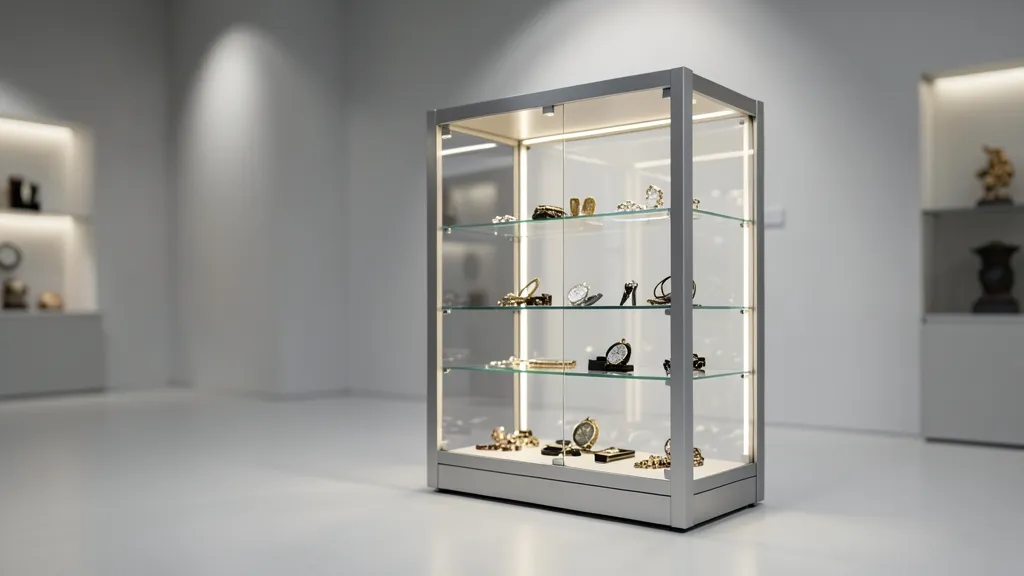
The LEGO 10330 Display Case: An In-Depth Review
Understanding the LEGO 10330 Display Case The LEGO 10330 display case represents a significant shift in how the LEGO Group approaches the adult collector market...
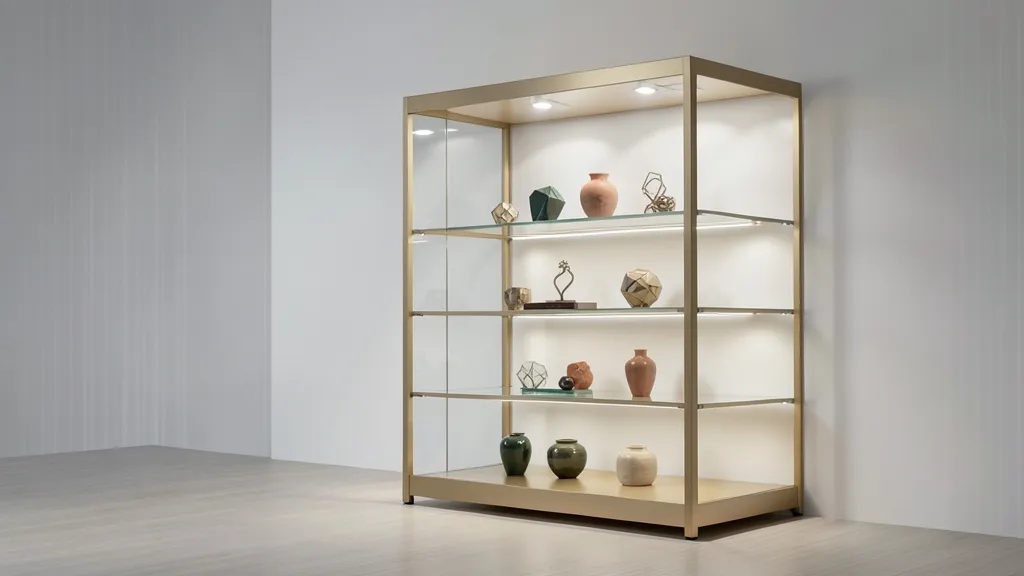
Finding the Perfect Fit: A Buyer's Guide to 10294 Display Cases
There is a particular kind of frustration that comes with finishing the ultimate LEGO build only to realize you have nowhere to put it. The LEGO Titanic (set 10...
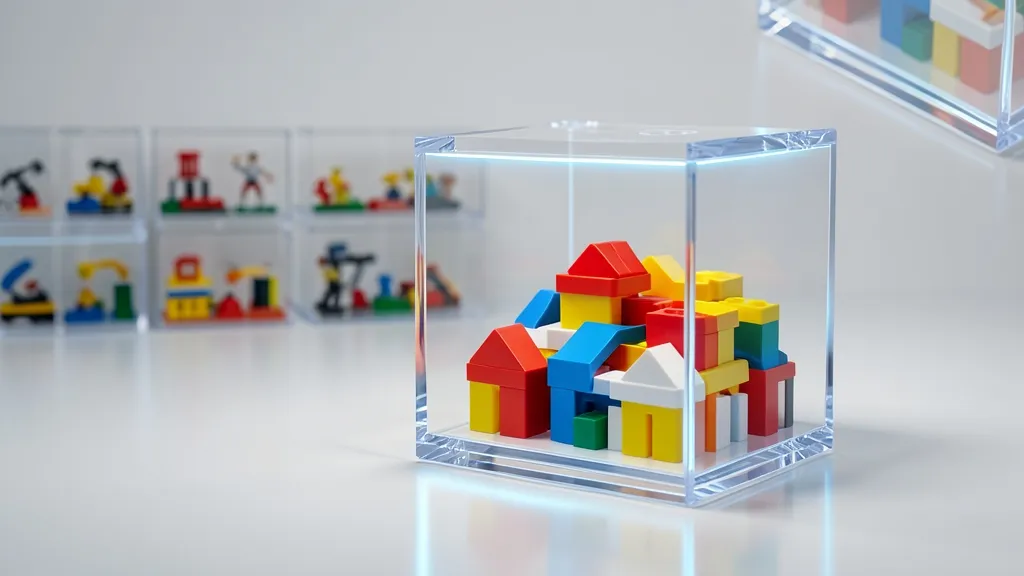
Longevity and Luster: Care and Maintenance Tips for Your 10300 Display Case
The Foundation of Long-Term Display: Why Care Matters A LEGO set like the 10300 DeLorean Time Machine is more than a weekend build; it is a centerpiece, an inve...
42171 Display Case for 都市白领: Is It Worth the Cost? A 性价比消费 Deep Dive
When a Built LEGO F1 Set Becomes a Dust Magnet: The Urban Collector s Dilemma Urban professionals who invest in large-scale LEGO Formula 1 models often discover...
75417 Display Case for Cost-Conscious Families: Does Paying More Actually Save Time and Money? A Consumer Research Deep-Dive
The Premium Paradox: Why Families Hesitate on Higher-Priced Storage Picture a family of four in a mid-sized suburban home. A parent stands in a home organizatio...
75355 Display Case for Home Offices: Space-Saving Layouts vs. Clutter Myths — What Actually Works?
When the Desk Becomes a Catch-All: The Real Cost of Workspace Clutter Urban professionals who work from home know the ritual: the desk starts clean on Monday, a...
42143 display case与43222 display case怎么取舍?都市白领时间管理下的展示柜对比冷知识
Why the 42143 Display Case vs. 43222 Display Case Decision Feels So Draining For urban white-collar workers, the evening ritual of researching a display case of...
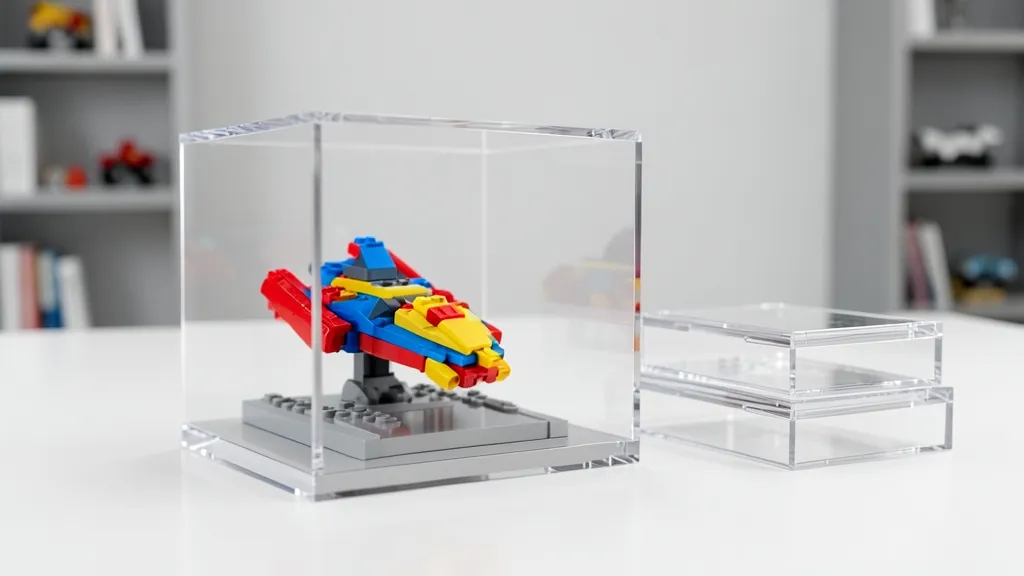
75419 Display Case vs. Traditional Shelving: Which Wins on Cost and Durability?
Why Buyers Are Torn Between Dedicated Display Cases and General Shelving Value-conscious shoppers searching for secure, attractive storage are increasingly caug...
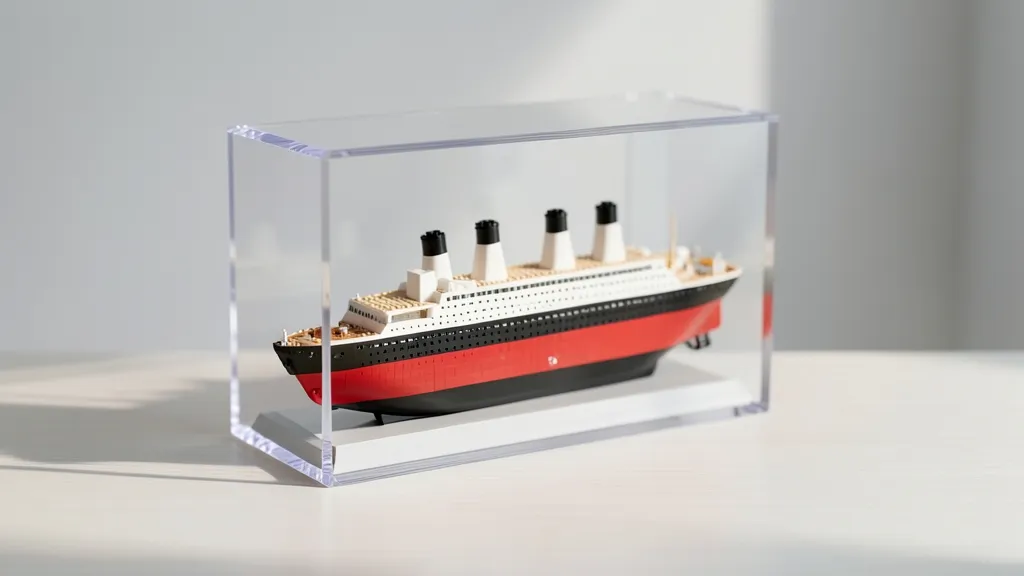
31215 Display Case for Stay-at-Home Parents: Smart Value Shopping or Influencer Trap? A Consumer Reality Check
The Real Cost of Viral Storage: A Stay-at-Home Parent s Reality Check Stay-at-home parents managing a household on a single income face a unique pressure: every...
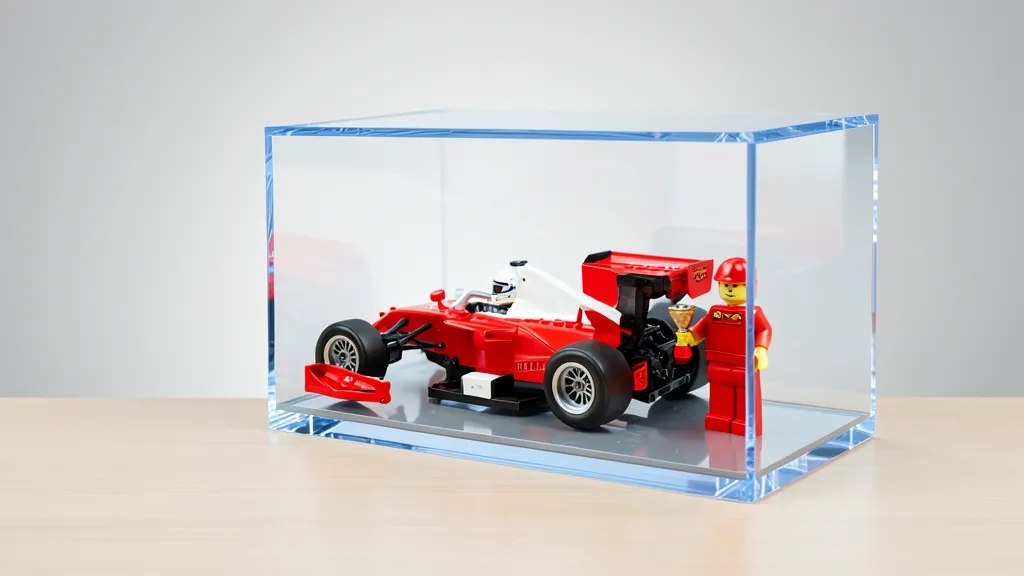
Lego Helmet Display Case for Urban Professionals: Is Time Management Ruining Your Build Time? Consumer Survey Insights
When Weekend Builds Compete With Dusting: The Urban Professional s Dilemma For many urban white-collar professionals, the weekend hours reserved for Lego buildi...
advertise
FEATURED HEALTH TOPICS






advertise