Longevity and Luster: Care and Maintenance Tips for Your 10300 Display Case
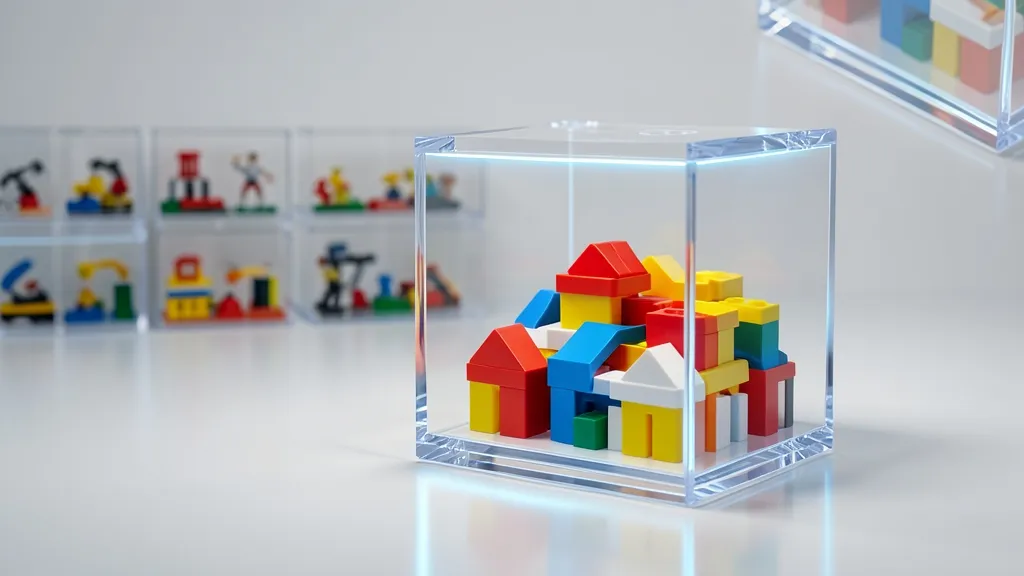
The Foundation of Long-Term Display: Why Care Matters
A LEGO set like the 10300 DeLorean Time Machine is more than a weekend build; it is a centerpiece, an investment, and a nostalgic touchstone. Once assembled, the natural instinct is to protect it—and that is exactly where a dedicated display case comes into play. The 10300 display case is not simply a transparent box; it is a barrier against dust, UV light, accidental contact, and environmental fluctuations. However, buying a high-quality case is only half the equation. Without consistent care, even the most premium acrylic or glass enclosure will lose its clarity, accumulate grime, and eventually fail to protect the model inside. Understanding the symbiotic relationship between case maintenance and model preservation is the first step toward decades of flawless display.
In Hong Kong, where living spaces are often compact and air conditioning runs nearly year-round, display cases face unique challenges. The Hong Kong Observatory reports average relative humidity between 70% and 85% during spring and summer months, creating conditions where condensation and mold can become real threats to collectibles. A well-maintained case mitigates these risks, but only if the owner commits to a routine that addresses both the exterior and the interior environment. This guide provides a comprehensive, experience-based approach to keeping your display case—and the LEGO 10300 within it—in pristine condition.
Routine Vigilance: Daily and Weekly Checks
Exterior Dusting: The First Line of Defense
Dust is pervasive, and in urban environments like Hong Kong, it settles quickly on horizontal surfaces. For your 10300 display case, a daily or at least twice-weekly pass with a soft microfiber cloth is recommended. The goal is not a deep clean but a quick removal of loose particles before they bond to the surface or become airborne when the case is opened. Use a dry, clean microfiber cloth and wipe in gentle, linear motions rather than circles to avoid creating static that attracts more dust. Pay particular attention to the top panel, which accumulates the most fallout, and the edges where dust tends to gather.
Weekly checks should extend beyond dusting. Take a moment to inspect the case for any signs of environmental stress. Look for condensation on the interior surface, which indicates a sudden temperature differential or high humidity inside the enclosure. Check for warping or discoloration of acrylic panels, and verify that the case still sits flush on its base. If you notice any small cracks or gaps, address them immediately; a compromised seal means dust and moisture have an open invitation to the LEGO 10300 inside. These brief inspections take less than five minutes but can prevent months of damage.
Deep Cleaning Protocols for Acrylic and Glass Surfaces
Acrylic Cases: Gentle Care for a Scratch-Prone Surface
Acrylic is favored for display cases because it is lightweight, shatter-resistant, and offers excellent clarity. However, it is also softer than glass and easily scratched by abrasive cleaners or rough cloths. For the 10300 display case, which likely uses acrylic panels, always use a mild soap solution (a few drops of dish soap in lukewarm water) or a specialized acrylic cleaner. Apply the solution to the microfiber cloth, not directly to the case, to avoid liquid seeping into seams. Wipe gently, then dry immediately with a second clean microfiber cloth to prevent water spots.
Never use window cleaners containing ammonia, alcohol, or acetone, as these can cloud the acrylic and cause microscopic crazing. For smudges, a slightly damp microfiber cloth followed by a dry buff is usually sufficient. If minor scratches appear, a dedicated acrylic scratch remover or a small amount of non-abrasive toothpaste can be applied in a circular motion with a soft cloth, then rinsed and dried. Always test on an inconspicuous area first. The same principles apply to the 31212 display case, which houses the LEGO Art Hokusai set; its large acrylic panels require the same gentle, scratch-free routine to maintain optical clarity.
Glass Cases: Streak-Free Brilliance
Glass cases, such as those often used for the 42207 Ferrari SF-24 F1 Car display case, offer superior scratch resistance but are prone to streaks and water spots if cleaned incorrectly. The best approach is a two-step method: first, remove loose dust with a dry microfiber cloth or a soft brush; second, apply a high-quality glass cleaner to a microfiber cloth and wipe in a zigzag pattern, finishing with a dry section of the cloth. Avoid spraying cleaner directly onto the glass, as overspray can reach the LEGO model or the case's interior. For hard water stains, a 50/50 mixture of white vinegar and distilled water works well, but rinse thoroughly afterward to prevent residue buildup.
Internal Care: Preserving the LEGO 10300 Set
Safe Access and Internal Dusting
Opening the display case should be a deliberate, careful process. Most 10300 display cases feature removable panels or magnetic closures. Before opening, ensure your hands are clean and dry, and work in a well-lit area with a soft mat underneath to catch any fallen pieces. Remove the case cover slowly, avoiding sudden movements that could create air currents and stir up dust. Once open, use a soft, anti-static brush (such as a camera lens brush or a clean makeup brush) to gently sweep dust from the LEGO bricks. For hard-to-reach areas, low-pressure canned air can be used, but keep the nozzle at least six inches away and use short bursts to avoid dislodging small elements.
Internal dusting should be done every two to three months, or more frequently if you notice visible particles. While the case is open, inspect the LEGO 10300 for any signs of wear—loose connections, faded stickers, or discolored bricks. Early detection allows for gentle correction before problems escalate. When closing the case, ensure all panels are seated correctly and any seals are intact. This routine is equally important for the 31212 display case, as the LEGO Art set inside features numerous small tiles that can trap dust and benefit from periodic gentle brushing.
Environmental Management: Temperature, Humidity, and Light
The environment surrounding your display case has a direct impact on both the case material and the LEGO 10300 inside. According to Hong Kong's Climate Ready initiative, indoor relative humidity should ideally be kept between 40% and 60% for collectibles. During the humid season, a dehumidifier or silica gel packets placed near (not inside) the case can help maintain stable conditions. Avoid placing the case near air conditioning vents, radiators, or fireplaces, as rapid temperature changes can cause condensation on the interior surfaces and stress the case materials.
Direct sunlight is another critical factor. Even UV-protected acrylic cases will eventually allow some UV penetration over years of exposure, leading to yellowing of LEGO bricks and fading of printed elements. Position your 42207 Ferrari SF-24 F1 Car display case away from south-facing windows and use curtains or blinds to diffuse natural light. LED lighting is a safer alternative for display, as it emits minimal UV and heat. If you must place the case in a bright room, consider applying a UV-filtering film to nearby windows as an extra layer of protection.
Addressing Common Display Case Issues
Dust Ingress, Fogging, and Minor Scratches
Despite best efforts, dust can find its way into any display case. If you notice a persistent dust problem, check the seals and consider adding a thin foam weatherstrip to the closure points. Fogging or condensation inside the case indicates a humidity imbalance; remove the case cover, allow it to air dry in a low-humidity room, and add a desiccant packet to the base area (away from the LEGO model). For minor scratches on acrylic, use a plastic polish kit and follow the manufacturer's instructions, working in small sections and buffing to a clear finish.
Prevention is always easier than repair. Keep a small maintenance log to track cleaning dates, humidity readings, and any changes in the case's condition. This record helps you identify patterns—such as seasonal humidity spikes—and adjust your routine accordingly. For the 31212 display case and other acrylic enclosures, avoid using paper towels or rough cloths, which can leave micro-scratches that dull the surface over time.
Commitment to Consistency: The Key to Lasting Beauty
A display case is an investment in your LEGO collection's longevity, but it requires regular, gentle attention to perform its role effectively. By establishing a simple routine—quick dusting, periodic deep cleaning, careful internal inspections, and mindful environmental control—you ensure that your 10300 display case remains a crystal-clear window into your build rather than a cloudy barrier. The same discipline applies to the 31212 display case and the 42207 Ferrari SF-24 F1 Car display case, each of which deserves the same thoughtful care.
Remember that consistency matters more than intensity. A few minutes each week, a thorough clean every few months, and a watchful eye on humidity and light will preserve both the case and the LEGO 10300 for years to come. In the humid, bustling environment of Hong Kong, this commitment is not just advisable—it is essential for any collector who wants their display to remain as striking as the day the final brick was placed.
FEATURED HEALTH TOPICS
The LEGO 10330 Display Case: An In-Depth Review
Understanding the LEGO 10330 Display Case The LEGO 10330 display case represents a significant shift in how the LEGO Group approaches the adult collector market...
Finding the Perfect Fit: A Buyer's Guide to 10294 Display Cases
There is a particular kind of frustration that comes with finishing the ultimate LEGO build only to realize you have nowhere to put it. The LEGO Titanic (set 10...
Elevate Your Collection: Creative Ways to Display Your 1:18 Model Cars
There is a quiet moment familiar to every serious collector: the model is finally in your hands, flawless in paint and proportion, and you set it on a shelf — w...
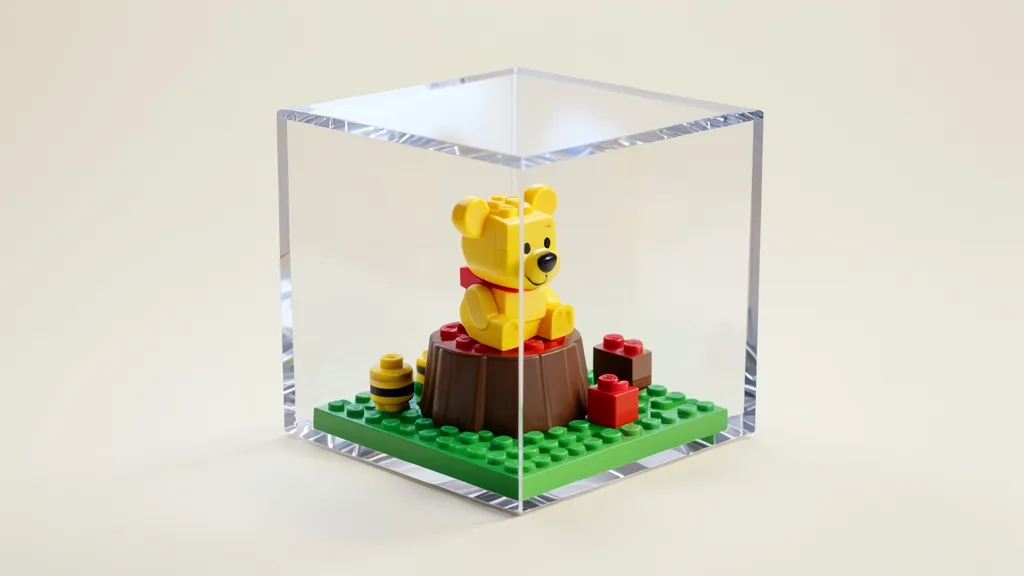
42171 Display Case for 都市白领: Is It Worth the Cost? A 性价比消费 Deep Dive
When a Built LEGO F1 Set Becomes a Dust Magnet: The Urban Collector s Dilemma Urban professionals who invest in large-scale LEGO Formula 1 models often discover...
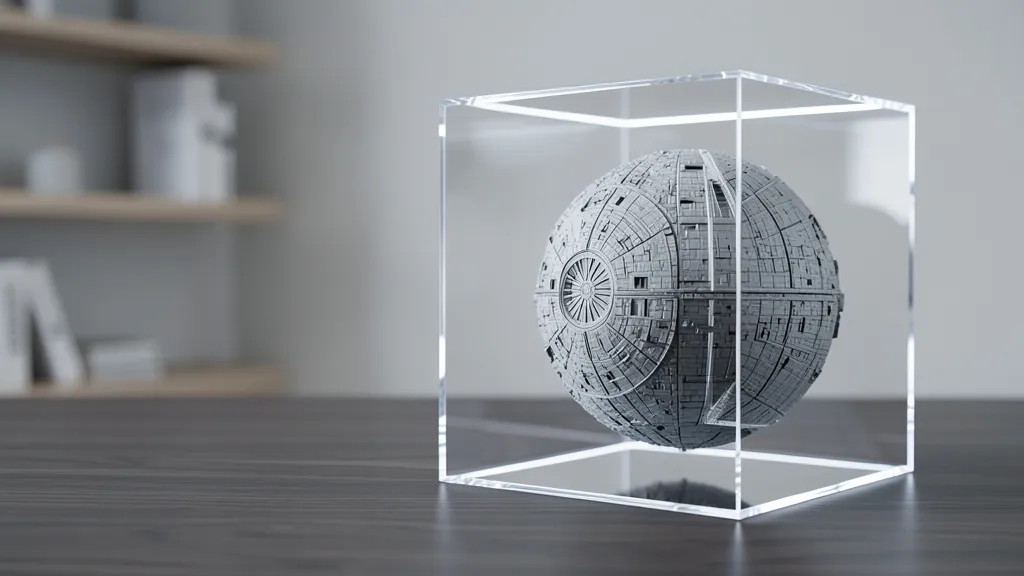
75417 Display Case for Cost-Conscious Families: Does Paying More Actually Save Time and Money? A Consumer Research Deep-Dive
The Premium Paradox: Why Families Hesitate on Higher-Priced Storage Picture a family of four in a mid-sized suburban home. A parent stands in a home organizatio...

75355 Display Case for Home Offices: Space-Saving Layouts vs. Clutter Myths — What Actually Works?
When the Desk Becomes a Catch-All: The Real Cost of Workspace Clutter Urban professionals who work from home know the ritual: the desk starts clean on Monday, a...
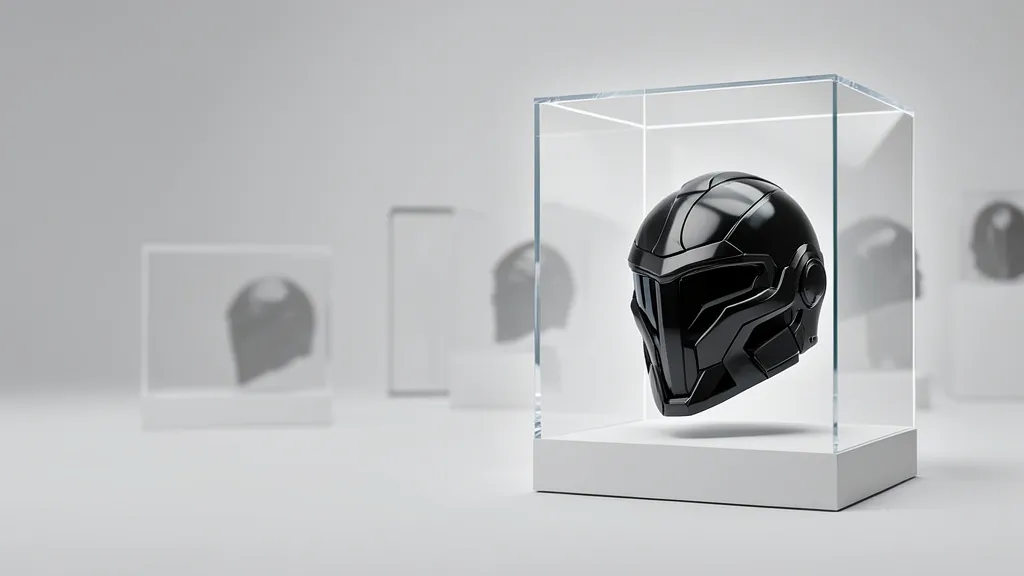
42143 display case与43222 display case怎么取舍?都市白领时间管理下的展示柜对比冷知识
Why the 42143 Display Case vs. 43222 Display Case Decision Feels So Draining For urban white-collar workers, the evening ritual of researching a display case of...
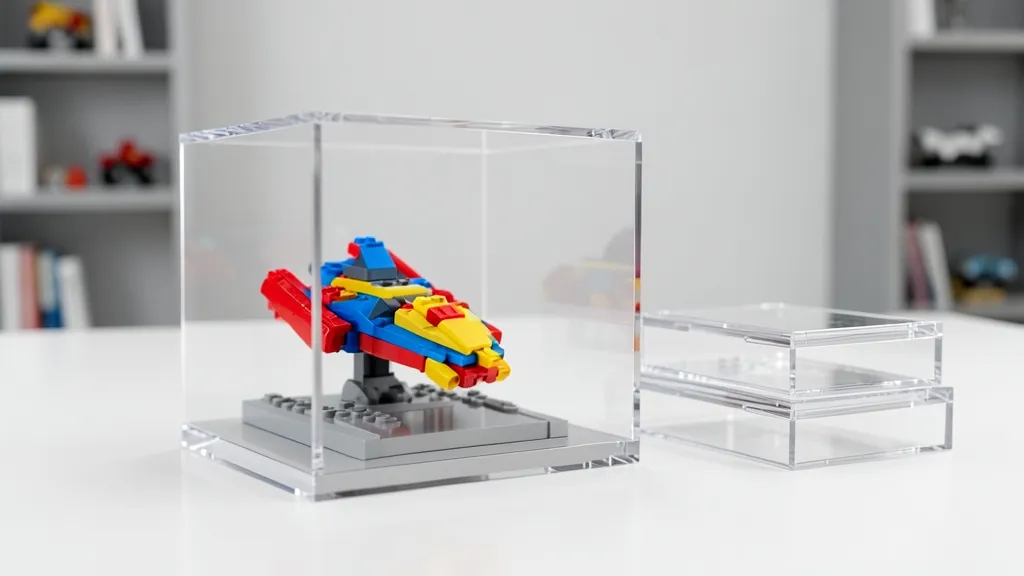
75419 Display Case vs. Traditional Shelving: Which Wins on Cost and Durability?
Why Buyers Are Torn Between Dedicated Display Cases and General Shelving Value-conscious shoppers searching for secure, attractive storage are increasingly caug...
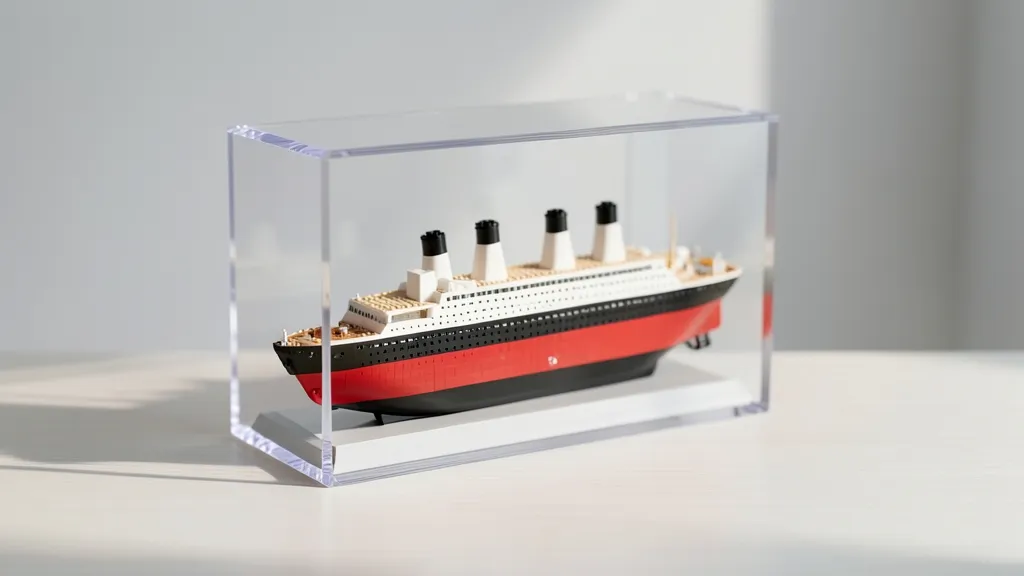
31215 Display Case for Stay-at-Home Parents: Smart Value Shopping or Influencer Trap? A Consumer Reality Check
The Real Cost of Viral Storage: A Stay-at-Home Parent s Reality Check Stay-at-home parents managing a household on a single income face a unique pressure: every...
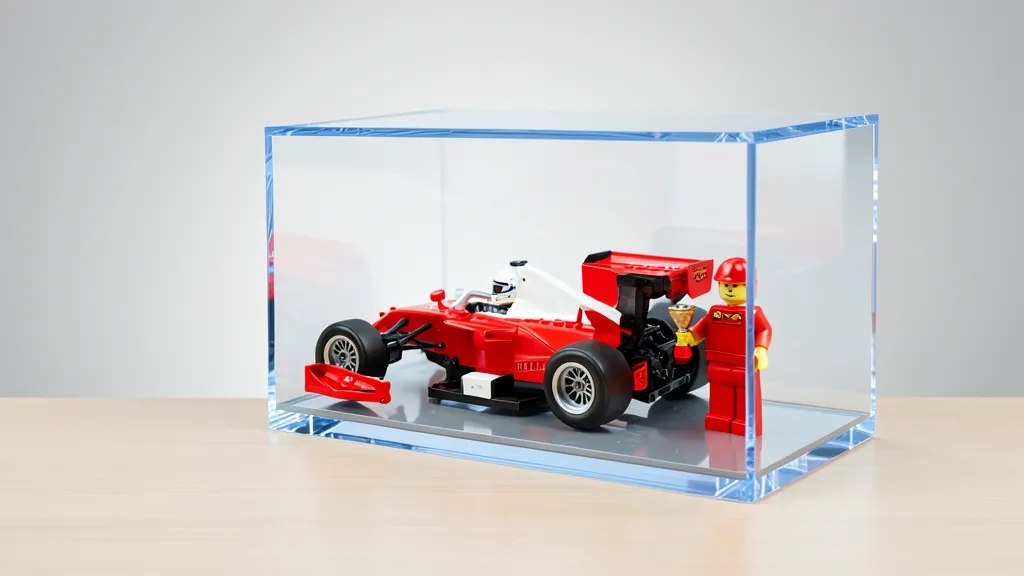
Lego Helmet Display Case for Urban Professionals: Is Time Management Ruining Your Build Time? Consumer Survey Insights
When Weekend Builds Compete With Dusting: The Urban Professional s Dilemma For many urban white-collar professionals, the weekend hours reserved for Lego buildi...
advertise

FEATURED HEALTH TOPICS






advertise