Masterful Display: How to Showcase Your LEGO 21060 Himeji Castle in its Display Case
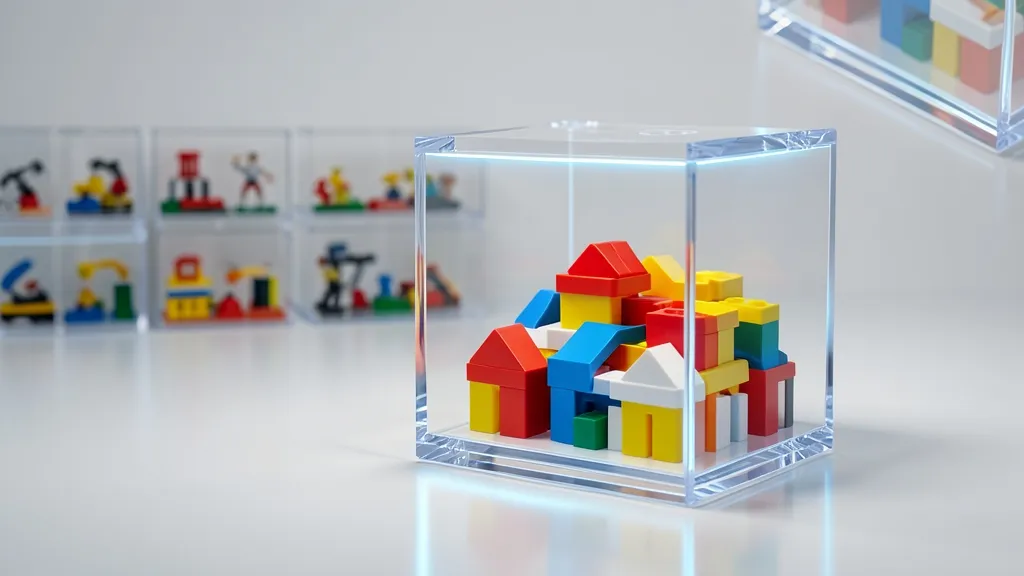
You've spent hours—perhaps days—carefully assembling the 21060 Himeji Castle, marveling at every slope of its white plaster walls and every curve of its multi-tiered roof. You've also invested in a quality display case to protect your masterpiece from dust, pets, and the occasional clumsy guest. But acquiring the case is only half the battle. The real question is: how do you make your Himeji Castle truly shine inside its new home? The difference between a model that merely sits in a case and one that commands attention lies in the details—preparation, placement, environmental control, and ongoing care. Whether you're working with a dedicated 21060 display case or adapting a larger enclosure such as a 21063 display case or a 42228 display case for a different build in your collection, the principles of masterful display remain the same. This guide walks you through every stage, from pre-cleaning and centering to long-term maintenance, so your castle remains a showpiece for years to come.
Preparing Your Himeji Castle for Display
Before your castle enters its case, it deserves a thorough preparation routine. Skipping this step is the most common reason models look dull or develop long-term issues once enclosed. Dust, fingerprints, and loose elements all become magnified behind glass or acrylic, and once the case is sealed, correcting these issues becomes far more inconvenient.
Pre-Cleaning: A Gentle Start
Begin with a gentle dusting session. Use a soft, clean makeup brush or a photographer's lens blower to remove surface dust from the roof tiles, wall panels, and interior courtyard areas. Avoid compressed air, which can force dust into crevices and, in some cases, dislodge small elements. For stubborn dust on flat surfaces, a microfiber cloth lightly dampened with distilled water works well—but wring it out thoroughly so no moisture seeps between bricks. Pay special attention to the white plaster sections of the castle, as oils from your fingers can attract dust and cause discoloration over time. If you notice any smudges from assembly, a dry microfiber cloth is usually sufficient; avoid chemical cleaners, which can react with ABS plastic and cause clouding or brittleness.
Inspection: Securing Every Piece
Once dusted, perform a careful inspection. Gently press down on each major assembly—the foundation, the main keep, the corner turrets, and the connecting corridors—to confirm everything is fully seated. Small plates and tiles along the rooflines are especially prone to working loose during handling. This is also the moment to check that decorative elements such as the golden shachihoko (the fish-like ornaments on the roof peaks) are firmly attached. A loose piece that falls inside a sealed case is frustrating to retrieve and can scratch the base or the model itself. If you find a weak connection, reseat it now rather than later. For builders who have customized their castle or integrated lighting, verify that all wiring is tucked away and that no exposed connections could be pinched when the case is assembled.
Base Plate Preparation
Many display cases include a base plate or mounting surface. If yours does, decide whether to attach the model directly or use a removable mounting method. Direct attachment with a few strategic LEGO-compatible connection points offers stability, especially in households with foot traffic or pets. However, if you prefer to keep the model removable for occasional rearrangement, consider a thin, non-slip mat cut to size—this prevents sliding without permanent commitment. For heavier enclosures such as a 42228 display case, which is often used for larger or custom builds, confirm that the base can support the weight of the fully assembled castle without flexing. A flexing base can cause stress on lower brick connections over time, so a rigid platform is always preferable.
Placement within the Display Case
Placement is where art meets engineering. The same castle can look cramped and overlooked in one position and majestic and inviting in another. Take your time here—this is the stage where your model becomes a display.
Centering for Visual Balance
Start by centering the castle within the case, but don't rely on measurements alone. Step back several feet and view the case from multiple angles. The Himeji Castle model is asymmetrical in its detailing, with the main keep offset and the turrets creating varied silhouettes. This means true visual balance isn't always geometric center. Shift the model slightly until the composition feels stable from your primary viewing angle—likely the front or a slight three-quarter view. Leave generous breathing room on all sides; a model pressed against the glass looks cramped and makes cleaning the interior surfaces more difficult. As a rule of thumb, aim for at least two to three centimeters of clearance between the widest points of the model and the case walls.
Orientation: Choosing the Best Angle
The orientation of your castle should be driven by where the most intricate details live. The main keep's layered roofs, the angled stone walls, and the courtyard gates all reward a three-quarter view rather than a flat frontal one. Rotate the model so that the primary viewing direction captures depth—ideally with a corner turret nearest the viewer and the main keep rising behind it. If your display case sits in a corner or against a wall, orient the castle so its most detailed face is visible from the room's main traffic path. Avoid placing the model so that a support column or frame member of the case cuts across a key architectural feature. For collectors using a 21063 display case alongside other modular builds, consistent orientation across cases creates a gallery-like coherence that elevates the entire collection.
Optional Background Enhancements
A simple backdrop can dramatically enhance realism without overwhelming the model. A matte, light-grey or soft blue-grey backdrop suggests sky and haze while keeping the white castle walls prominent. Avoid glossy backdrops, which create reflections and compete with the model. For a more thematic touch, a subtle printed silhouette of distant hills or cherry blossom branches—kept low-contrast—can add depth. Some enthusiasts use a thin sheet of archival-quality paper or a matte vinyl panel inserted behind the model. Whatever you choose, ensure it is fade-resistant and does not off-gas; cheap plastics can release vapors that affect ABS over years. Test the backdrop under your intended lighting before committing, since colors shift noticeably under warm versus cool light.
Optimizing the Display Environment
Your display case is a protective barrier, but it is not a sealed vault. The environment around it still shapes how your castle ages. Understanding light, humidity, and temperature is essential for preserving both the model and its case.
Location: Avoiding Environmental Extremes
Place your display away from direct sunlight. Even cases marketed with UV protection reduce rather than eliminate UV exposure, and prolonged direct sun will accelerate yellowing of white bricks—the most visible risk for a predominantly white model like Himeji Castle. Avoid locations near radiators, heating vents, or air-conditioning units, where temperature swings cause repeated expansion and contraction of both bricks and case materials. High-humidity areas such as bathrooms or basements should also be avoided; moisture can infiltrate cases and encourage mold on any paper backdrops while accelerating sticker degradation. In regions with humid summers—Hong Kong, for example, regularly experiences relative humidity above 80% during warmer months—consider placing a small, rechargeable dehumidifier nearby or using silica gel packets behind the backdrop, refreshed periodically.
Lighting: Clarity Without Glare
Lighting transforms a display from merely visible to genuinely striking. Natural light is flattering but unpredictable and risky for UV exposure. Artificial lighting offers control. LED strips mounted at the top of the case, diffused through a translucent channel, provide even illumination without hot spots. Aim for a color temperature around 4000K—neutral white—which renders the white plaster and grey roof tiles accurately without the yellow cast of warm lighting or the clinical blue of cool lighting. Position lights so they graze the model's textured surfaces rather than shining directly into viewers' eyes. If your case has a glass front, check for glare from room lamps; a slight tilt of a nearby floor lamp or the addition of a matte diffuser often solves the problem. Avoid halogen bulbs entirely—they run hot and emit significant UV.
Integrating with Surrounding Decor
A display case should feel intentional within a room, not like an afterthought. Consider the style of your space: a minimalist shelf benefits from a clean, frameless case, while a traditional study suits a wooden-framed enclosure. Keep the immediate surroundings uncluttered—a single adjacent object, such as a small plant or a framed print, can frame the display without distracting from it. Height matters too; place the case so the castle's main keep sits near eye level when standing or seated, depending on how guests typically view it. If you rotate displays seasonally, note that frequent relocation increases handling risk, so choose a primary location carefully and stick with it.
Maintenance and Care for Your Displayed Set
Long-term beauty requires a simple but consistent maintenance rhythm. The good news: a well-prepared case drastically reduces the work required.
External Cleaning
Clean the exterior of the case every few weeks with a microfiber cloth and a mild, ammonia-free glass cleaner sprayed onto the cloth—never directly onto the surface. Avoid paper towels, which can leave lint and micro-scratches on acrylic. For acrylic panels, use a plastic-specific cleaner and wipe in straight lines rather than circles to minimize visible swirl marks. Pay attention to fingerprints around the edges and handles, which are common contact points. If your case has a dust seal or gasket, wipe it gently and check that it still sits flush.
Internal Dusting
Even sealed cases accumulate some interior dust over months. Plan a deeper clean once or twice a year, or when you notice visible dust on the roof tiles. Before opening, clear a workspace and lay down a soft towel. Open the case carefully, and use a lens blower and soft brush to lift dust from the model—never spray or wipe aggressively. Work from top to bottom so dislodged dust doesn't resettle on cleaned areas. This is also a good opportunity to re-inspect connections and check for any loose elements. Close the case promptly to minimize exposure to room air and humidity.
Monitoring for Yellowing and Fading
Even with UV-filtering cases, occasional checks are wise. Compare the white bricks in less-exposed areas—such as the underside of eaves—with those in more exposed positions. Photograph your display under consistent lighting every six months; subtle changes are easier to spot in side-by-side comparison than in memory. If you notice early yellowing, consider repositioning the case away from any light source and reviewing your lighting setup. Early intervention won't reverse yellowing, but it can slow further progression and protect the rest of your collection.
Bringing It All Together
Masterful display is a sequence of small, deliberate choices: a gentle pre-clean, a careful inspection, a thoughtfully centered and oriented placement, a controlled environment, and a light but regular maintenance routine. None of these steps is complicated, but together they determine whether your Himeji Castle is merely stored or genuinely showcased. Whether it resides in a dedicated 21060 display case, shares a shelf with a 21063 display case housing another modular favorite, or anchors a larger collection within a 42228 display case, the same care principles apply. Take the time to set it up right, and then—most importantly—enjoy it. A well-protected, well-lit, and well-loved castle is not just a build completed; it's a story told every time someone stops to look.
FEATURED HEALTH TOPICS
Unpacking the 43269 Display Case: A Comprehensive Review
Introduction: The Rising Popularity of the 43269 Display Case In the world of collectibles and high-value merchandise, presentation is everything. Whether you a...
The Ultimate Guide to Choosing Your 76419 Display Case
Understanding the 76419 Display Case and Its Role in Modern Collecting For dedicated collectors, the journey does not end when the final brick clicks into place...
The Ultimate Guide to Choosing a Display Case for Your LEGO 42141 McLaren F1 Race Car
The Engineering Marvel That Deserves a Showcase The LEGO Technic 42141 McLaren Formula 1 Race Car is not just another building set—it is a celebration of automo...
The Ultimate Buyer's Guide: Selecting the Ideal Display Case for LEGO 76328
Navigating the Display Case Market for LEGO 76328 Building the LEGO 76328, the monumental Batman Classic TV Series Batcave, is an achievement. But once the fina...
The LEGO 10330 Display Case: An In-Depth Review
Understanding the LEGO 10330 Display Case The LEGO 10330 display case represents a significant shift in how the LEGO Group approaches the adult collector market...
Finding the Perfect Fit: A Buyer's Guide to 10294 Display Cases
There is a particular kind of frustration that comes with finishing the ultimate LEGO build only to realize you have nowhere to put it. The LEGO Titanic (set 10...
Longevity and Luster: Care and Maintenance Tips for Your 10300 Display Case
The Foundation of Long-Term Display: Why Care Matters A LEGO set like the 10300 DeLorean Time Machine is more than a weekend build; it is a centerpiece, an inve...
Elevate Your Collection: Creative Ways to Display Your 1:18 Model Cars
There is a quiet moment familiar to every serious collector: the model is finally in your hands, flawless in paint and proportion, and you set it on a shelf — w...
42171 Display Case for 都市白领: Is It Worth the Cost? A 性价比消费 Deep Dive
When a Built LEGO F1 Set Becomes a Dust Magnet: The Urban Collector s Dilemma Urban professionals who invest in large-scale LEGO Formula 1 models often discover...
75417 Display Case for Cost-Conscious Families: Does Paying More Actually Save Time and Money? A Consumer Research Deep-Dive
The Premium Paradox: Why Families Hesitate on Higher-Priced Storage Picture a family of four in a mid-sized suburban home. A parent stands in a home organizatio...
advertise
FEATURED HEALTH TOPICS





advertise