The Ultimate Guide to Choosing Your 76419 Display Case
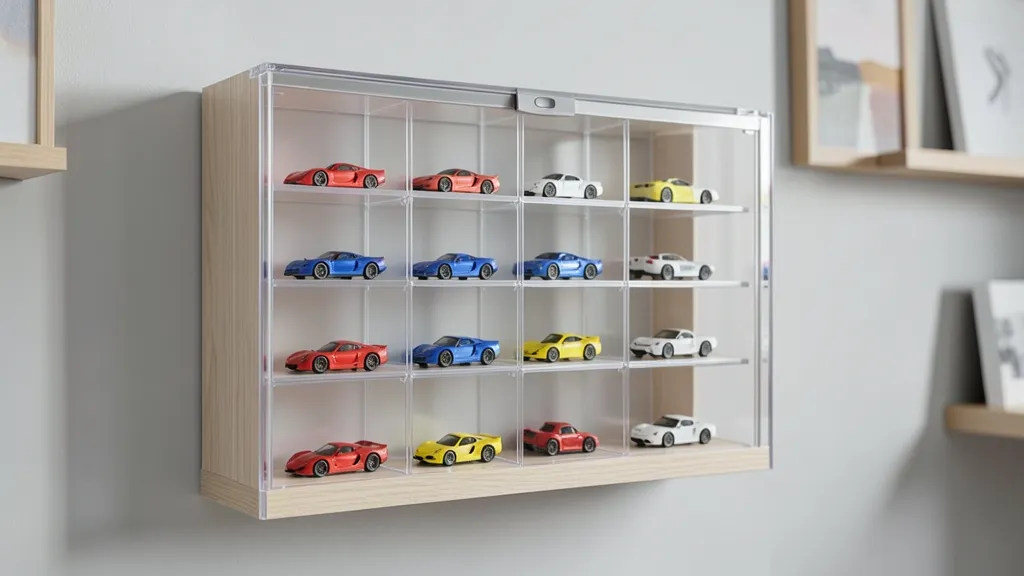
Understanding the 76419 Display Case and Its Role in Modern Collecting
For dedicated collectors, the journey does not end when the final brick clicks into place or the last model component is assembled. The real challenge often begins with preservation. A 76419 display case has become an increasingly popular solution for enthusiasts who want to protect and showcase their prized builds, particularly large-scale LEGO sets that demand both space and security. While the model number 76419 is often associated with the LEGO Harry Potter Hogwarts Castle and Grounds set, the term "display case" in collector communities frequently refers to specially designed enclosures that fit specific large models or modular builds. In practice, collectors searching for a 76419 display case are usually looking for a precision-fit acrylic or glass enclosure that accommodates a particular set's dimensions while offering dust protection, UV resistance, and aesthetic enhancement.
The importance of a dedicated display case cannot be overstated. Collectibles, especially those made from ABS plastic like LEGO elements, are vulnerable to environmental factors. Dust accumulation can dull colors and settle into crevices, making cleaning a delicate and time-consuming task. Ultraviolet radiation from sunlight can cause yellowing and brittleness over time, a phenomenon well-documented among collectors in humid, sun-exposed climates such as Hong Kong, where apartment windows often receive direct afternoon sun. A proper display case acts as a barrier against these threats while elevating the visual presentation of the model. It transforms a build from a mere hobby project into a curated piece of interior decor. Moreover, for high-value sets, a display case provides physical security and peace of mind, especially in households with children or pets. The psychological benefit is equally significant: collectors report greater satisfaction when their models are displayed cleanly and safely, free from the anxiety of accidental damage.
Key Considerations Before Buying
Material Choices: Acrylic vs. Glass
The first and most consequential decision is choosing between acrylic and glass. Acrylic, also known as PMMA or Perspex, is a lightweight thermoplastic that offers excellent clarity—often comparable to glass—at a fraction of the weight. A typical acrylic 42172 display case for a large model might weigh only a few kilograms, making it easy to move and reposition. Acrylic is also shatter-resistant, which is a significant advantage in homes with active children or in earthquake-prone regions. However, acrylic scratches more easily than glass and can develop a static charge that attracts dust to its outer surface. High-quality acrylic with UV stabilizers is available and provides meaningful protection against fading.
Glass, by contrast, offers superior scratch resistance and a premium feel. It is heavier and more fragile, requiring careful handling during assembly and relocation. Tempered glass is the preferred option for safety, as it breaks into small, less dangerous pieces. In terms of UV protection, standard glass blocks some UVB but not all UVA; specialized museum-grade glass with UV filtering coatings is available but significantly more expensive. For collectors in Hong Kong, where ambient humidity can be high, glass cases with sealed edges may offer better long-term protection against moisture ingress than some acrylic designs. The choice ultimately depends on budget, placement, and risk factors. A useful comparison is summarized below.
| Factor | Acrylic | Glass |
|---|---|---|
| Clarity | Excellent (92% light transmission) | Excellent (91% light transmission) |
| Weight | Light (approx. 1.2 g/cm³) | Heavy (approx. 2.5 g/cm³) |
| Scratch resistance | Moderate | High |
| Shatter resistance | High | Low (unless tempered) |
| UV protection | Available with additives | Requires special coating |
| Cost | Moderate | Higher for tempered/UV options |
Collectors should also consider the long-term maintenance of each material. Acrylic can be polished to remove minor scratches using specialized compounds, while glass scratches are permanent. In Hong Kong's humid climate, acrylic may be less prone to condensation issues than glass, though proper ventilation or desiccant packs can mitigate moisture concerns in either material.
Size and Fit: Ensuring Perfect Dimensions for Your Collectible
The most common mistake buyers make is confusing internal and external measurements. A display case advertised as "fits 76419" may have external dimensions that match the model's footprint, but the internal clearance could be insufficient once the thickness of the base and the height of the lid are factored in. Always prioritize internal dimensions: the length, width, and height available for the model itself. For a large set like the LEGO UCS Millennium Falcon, which measures approximately 84 cm long, 56 cm wide, and 21 cm tall, the internal dimensions must exceed these figures by at least 2–3 cm on each side to allow for easy placement and to avoid stress on the model's protruding parts.
Compatibility is another critical factor. Not all display cases are designed with specific models in mind. Some manufacturers offer universal cases with adjustable shelving, while others produce precision-fit cases for popular sets. When shopping for a 76419 display case, verify that the case's internal height accounts for any raised sections, such as minifigure stands or decorative elements. For the 42172 display case, which is often associated with large Technic or Creator Expert models, check whether the case accommodates the model's widest point, including any extended wings or arms. A case that is too tight can cause torsion or bending of delicate components during installation.
It is also wise to measure the intended display location before purchasing. A case that fits the model perfectly may not fit through a doorway or onto a shelf. In Hong Kong's compact living spaces, where apartments average around 40–50 square meters, vertical space is often at a premium. Consider a case with a taller profile if you plan to stack multiple models, or opt for a low-profile base to maximize overhead clearance. Always allow a buffer of 5–10 cm around the case for handling and airflow.
Base Type and Design
The base is the foundation of any display case, both literally and aesthetically. Wooden bases offer a classic, furniture-like appearance that complements traditional interiors. They are sturdy and can be finished in various stains or paints to match existing decor. However, wood can warp in humid environments if not properly sealed, and its porous surface may harbor dust mites or mold in extreme conditions. Acrylic bases are lightweight and seamless, providing a modern, minimalist look. They are easy to clean and resistant to moisture, making them a popular choice in coastal cities like Hong Kong. Mirrored bases create an illusion of depth and reflect light upward, enhancing the visibility of the model's underside and interior details. They are particularly effective for models with intricate base structures or for display cases placed in dimly lit rooms.
Custom bases allow collectors to incorporate branding, engraved plaques, or integrated lighting channels. When evaluating a base, consider its stability. A wide, heavy base reduces the risk of tipping, especially for tall cases. Check whether the base has rubber feet or felt pads to protect furniture surfaces. Dust accumulation on the base is another concern: flat, smooth surfaces are easier to wipe clean, while textured or grooved bases can trap dust. For collectors in Hong Kong, where street-level dust and pollution can enter through windows, a smooth acrylic base with a tight seal to the lid is often the most practical choice. Some premium cases feature a raised lip around the base perimeter, which helps contain small loose pieces and prevents them from sliding out during cleaning.
Accessibility and Assembly
How you access your model matters. Fully enclosed cases with no removable panels offer the best dust protection but require you to lift the entire case off the base to reach the model—a risky maneuver for large, heavy enclosures. Removable top panels or side panels provide easier access for dusting, rearranging, or adding lighting. Some designs feature sliding front panels or hinged doors, which are convenient but may compromise the seal and allow dust ingress over time. For high-value or frequently adjusted displays, a case with a removable top and a secure locking mechanism is ideal.
Assembly ease is another practical consideration. Screw-together systems use metal fasteners and are generally more rigid and durable, but they require tools and can be time-consuming to assemble. Interlocking systems use tongue-and-groove or snap-fit joints, which are tool-free and faster to set up but may loosen over time with repeated disassembly. For a 42172 display case, which may be assembled once and left in place for years, a screw-together design with metal corner brackets offers superior long-term stability. Read user reviews for mentions of assembly difficulty, missing parts, or alignment issues. A well-designed case should have pre-drilled holes, clear instructions, and labeled components. If you are not handy, consider paying for professional assembly or choosing a pre-assembled option, though shipping costs for large pre-assembled cases can be substantial.
Features to Look For
Dust Protection and Sealing Mechanisms
Dust is the silent enemy of every collection. A display case without adequate sealing will accumulate dust along edges, corners, and ventilation gaps. Look for cases with rubber gaskets, magnetic seals, or precision-machined edges that create a tight fit between the lid and base. Some high-end cases use a double-lip seal or a felt-lined channel to block dust. In Hong Kong, where airborne particulate levels can be elevated during certain seasons, a well-sealed case can reduce cleaning frequency from weekly to monthly or even quarterly. Test the seal by closing the case and checking for visible gaps; a flashlight test in a dark room can reveal light leaks that indicate dust pathways. Avoid cases with large, unfiltered ventilation holes unless you plan to add filter material.
Integrated Lighting Options
Lighting transforms a display from a storage box into a showcase. LED strips are the most common integrated lighting solution, offering low heat emission, energy efficiency, and long lifespan. Look for warm white (3000K–3500K) or neutral white (4000K–4500K) LEDs that render colors accurately without washing out details. Spotlights can create dramatic focal points but may produce glare on glossy surfaces. Power sources vary: USB-powered strips are convenient for small cases, while plug-in adapters with inline switches offer more consistent brightness. Battery-powered options exist but require frequent replacement. For collectors in Hong Kong, where electrical outlets are plentiful but cable management can be challenging in compact spaces, a USB-powered LED strip with a slim cable is often the most practical. Ensure that any integrated lighting does not generate excessive heat, as heat can warp acrylic or accelerate plastic degradation.
Ventilation
While sealing is important for dust protection, some ventilation may be necessary to prevent condensation and heat buildup, especially if the case houses electronic components or is placed near a window. A few small, filtered vents can allow air exchange without admitting dust. In Hong Kong's humid climate, condensation can form inside a sealed case if the temperature drops rapidly, potentially damaging paper elements or causing mold growth on wooden bases. Consider a case with adjustable vents or plan to use silica gel desiccant packs, which should be replaced every few months. Avoid placing the case in direct sunlight or near air conditioning vents, as rapid temperature fluctuations exacerbate condensation risk.
Security Features
For high-value models, security is a legitimate concern. Locking mechanisms range from simple cam locks to keyed deadbolts. A lock deter casual handling but is not a substitute for home security. Look for cases with tamper-resistant screws or hidden fasteners if you want to prevent easy disassembly. For collectors in shared living situations or with young children, a lock provides peace of mind. Ensure that the lock does not interfere with the case's seal or aesthetic. Some locks are integrated into the base, while others are external hasps. Consider the trade-off between security and accessibility: a locked case that is difficult to open may discourage you from enjoying your collection. A simple magnetic childproof lock or a keyed cam lock is usually sufficient for most residential settings.
Where to Purchase and What to Expect
Reputable Manufacturers and Online Retailers
The market for display cases has grown significantly, with specialized manufacturers emerging to serve the collector community. Reputable brands often specialize in acrylic fabrication and offer custom sizing. When evaluating a seller, look for detailed product specifications, including internal dimensions, material thickness, and UV ratings. Read independent reviews and check for photos from verified buyers. Online marketplaces may offer lower prices but can be inconsistent in quality; prefer sellers with a track record of positive feedback and clear return policies. For a 76419 display case, contact the manufacturer directly if you have specific requirements, such as a taller lid for a raised base or a custom cutout for cables. Many reputable sellers offer customization services at reasonable prices. In Hong Kong, local acrylic fabricators can produce bespoke cases within one to two weeks, often at competitive prices compared to imported ready-made options, though shipping and handling for large items may add cost.
Shipping and Packaging Considerations
Display cases are bulky and fragile, making shipping a critical factor. Acrylic cases are prone to cracking if dropped or subjected to uneven pressure during transit. Glass cases are even more vulnerable. Reputable sellers use double-boxed packaging with foam inserts, corner protectors, and fragile labels. Avoid sellers who ship in single-layer cardboard or without padding. For international orders, consider customs duties and import taxes, which can significantly increase the final cost. In Hong Kong, where most goods are imported, check whether the seller offers door-to-door delivery or requires pickup from a depot. Inspect the package upon arrival and report any damage immediately, with photos, before assembly. Some sellers offer shipping insurance; for high-value cases, it is worth the additional cost.
Price Range and Value for Money
Prices for display cases vary widely based on material, size, and features. A basic acrylic case for a medium-sized model might cost HKD 500–1,200, while a large, UV-resistant acrylic case with a wooden base and integrated lighting can exceed HKD 3,000. Glass cases with tempered panels and museum-grade UV filtering can cost HKD 4,000–8,000 or more. Custom sizes and premium finishes add to the cost. Value for money is not simply the lowest price; consider the case's lifespan, dust protection effectiveness, and aesthetic fit with your collection. A well-made case should last a decade or more with proper care. For collectors in Hong Kong, where space is limited, a case that maximizes display visibility and minimizes maintenance is often worth a higher upfront investment. Compare at least three options, calculate the cost per year of expected use, and prioritize features that matter most to your specific collection and environment.
Making an Informed Purchase for Long-Term Enjoyment
Choosing the right display case involves balancing material properties, dimensions, base design, accessibility, and features against your budget and display environment. Prioritize internal measurements over external ones, verify compatibility with your specific model, and do not overlook the importance of sealing and lighting. For collectors in Hong Kong and similar humid, space-constrained environments, acrylic cases with UV stabilizers and tight seals often offer the best practical balance of protection, durability, and cost. A quality display case is more than a purchase; it is an investment in the longevity and presentation of your collection. It protects your models from dust, UV damage, and accidental handling while elevating them from storage items to curated displays. Take the time to measure carefully, read reviews, and ask questions before buying. The result—a clean, secure, and visually striking display—will reward you every time you walk past your collection.
FEATURED HEALTH TOPICS
Unpacking the 43269 Display Case: A Comprehensive Review
Introduction: The Rising Popularity of the 43269 Display Case In the world of collectibles and high-value merchandise, presentation is everything. Whether you a...
The Ultimate Guide to Choosing a Display Case for Your LEGO 42141 McLaren F1 Race Car
The Engineering Marvel That Deserves a Showcase The LEGO Technic 42141 McLaren Formula 1 Race Car is not just another building set—it is a celebration of automo...
Masterful Display: How to Showcase Your LEGO 21060 Himeji Castle in its Display Case
You ve spent hours—perhaps days—carefully assembling the 21060 Himeji Castle, marveling at every slope of its white plaster walls and every curve of its multi-t...
The Ultimate Buyer's Guide: Selecting the Ideal Display Case for LEGO 76328
Navigating the Display Case Market for LEGO 76328 Building the LEGO 76328, the monumental Batman Classic TV Series Batcave, is an achievement. But once the fina...
The LEGO 10330 Display Case: An In-Depth Review
Understanding the LEGO 10330 Display Case The LEGO 10330 display case represents a significant shift in how the LEGO Group approaches the adult collector market...
Finding the Perfect Fit: A Buyer's Guide to 10294 Display Cases
There is a particular kind of frustration that comes with finishing the ultimate LEGO build only to realize you have nowhere to put it. The LEGO Titanic (set 10...
Longevity and Luster: Care and Maintenance Tips for Your 10300 Display Case
The Foundation of Long-Term Display: Why Care Matters A LEGO set like the 10300 DeLorean Time Machine is more than a weekend build; it is a centerpiece, an inve...
Elevate Your Collection: Creative Ways to Display Your 1:18 Model Cars
There is a quiet moment familiar to every serious collector: the model is finally in your hands, flawless in paint and proportion, and you set it on a shelf — w...

42171 Display Case for 都市白领: Is It Worth the Cost? A 性价比消费 Deep Dive
When a Built LEGO F1 Set Becomes a Dust Magnet: The Urban Collector s Dilemma Urban professionals who invest in large-scale LEGO Formula 1 models often discover...
75417 Display Case for Cost-Conscious Families: Does Paying More Actually Save Time and Money? A Consumer Research Deep-Dive
The Premium Paradox: Why Families Hesitate on Higher-Priced Storage Picture a family of four in a mid-sized suburban home. A parent stands in a home organizatio...
advertise

FEATURED HEALTH TOPICS




.jpg?x-oss-process=image/resize,m_mfit,w_100,h_70/format,webp)

advertise